Introduction
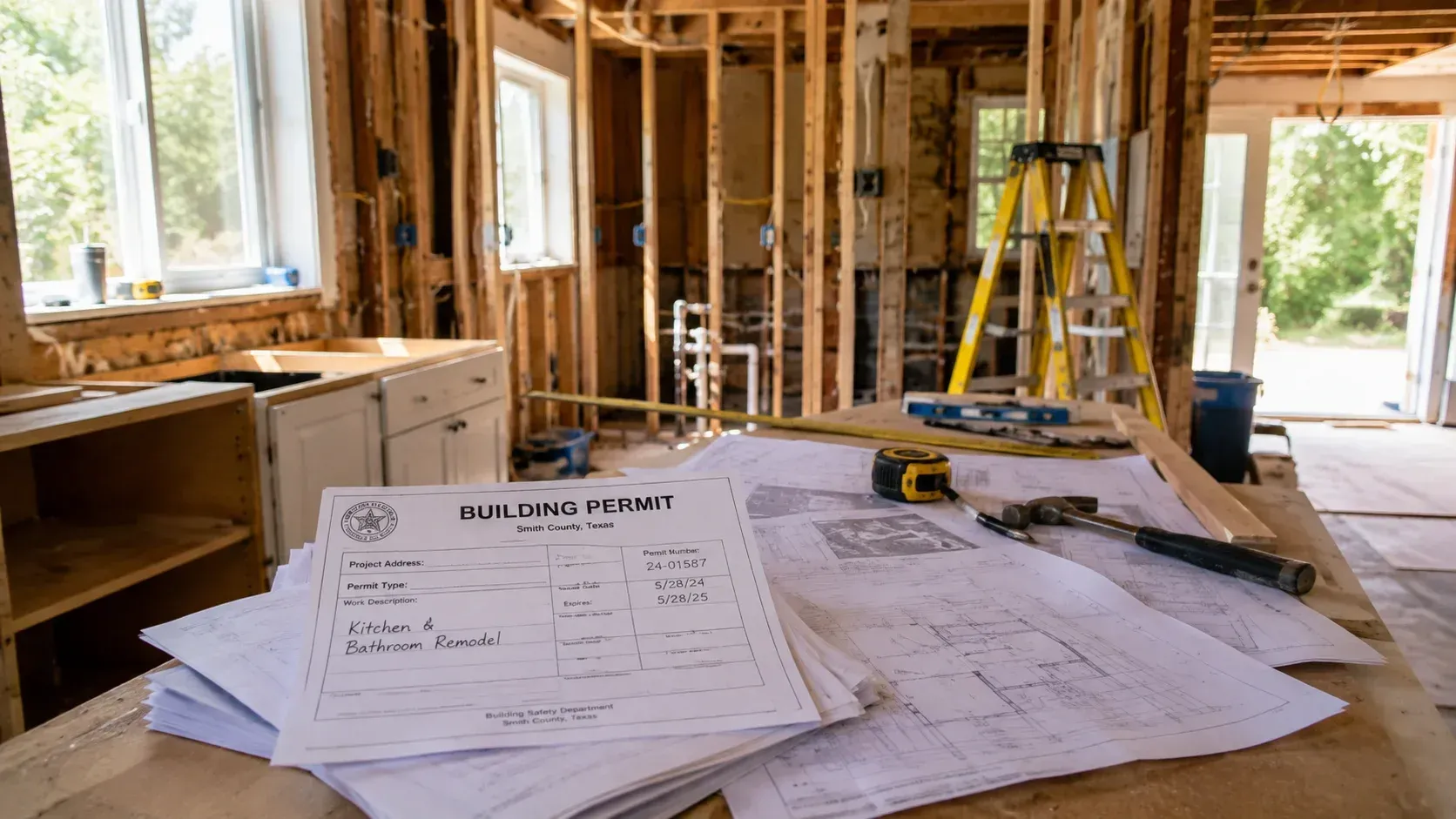
A kitchen or bathroom remodel in Smith County usually requires a permit when the work involves plumbing, electrical, mechanical, or structural changes, while purely cosmetic updates often do not. The exact requirements depend on where your home is located and the scope of the project, which is why it helps to understand the basics before you start any kitchen and bathroom remodeling work.
This matters because permits are tied directly to safety, code compliance, and the value of your home. Moving a sink, adding new wiring, or taking down a wall can affect plumbing, load-bearing structure, or fire safety. A permit brings an inspector in to confirm the work meets code, which protects both you and future owners. Knowing what your project needs early helps you plan a realistic timeline and avoid costly rework later.
Do You Need a Permit for a Kitchen or Bathroom Remodel?
Direct Answer: In most cases, yes, if the remodel changes plumbing, electrical, mechanical, or structural elements. Cosmetic-only projects, such as repainting or swapping cabinet hardware, typically do not require one.
The line comes down to what you are actually changing. Replacing a faucet in the same spot is different from relocating the plumbing to move a sink across the room.
When a project alters the systems behind your walls or the structure holding up your home, a permit is generally required so the work can be inspected. This is true for both kitchens and bathrooms, since both involve water lines, drains, and often electrical circuits.
If you are unsure where your project falls, treat that uncertainty as a reason to call your local building office rather than to guess.
Why Permits Exist and Why They Matter
Permits are not just paperwork. They exist to make sure construction work meets safety codes designed to protect people and property.
An inspection confirms that new wiring will not create a fire risk, that plumbing drains correctly, and that any structural changes are sound. These are the kinds of problems that are hard to see once the walls are closed up.
For homeowners, permits also create a paper trail. When you sell your home, buyers and their lenders often want proof that major work was permitted and inspected. Unpermitted work can raise questions and slow down a sale.
City of Tyler vs. Unincorporated Smith County
One of the most important things to understand is that requirements depend on your location. Homes inside the Tyler city limits generally fall under the City of Tyler's development and permitting rules.
Homes in unincorporated parts of Smith County may follow different processes, since counties and cities handle permitting separately. The authority that issues your permit depends on your specific address.
Because of this, the first step is confirming which jurisdiction governs your property. Your address, not just your mailing city, determines who you deal with.
Common Types of Permits for a Remodel
Kitchen and bathroom projects often touch several building systems at once. That means a single remodel can involve more than one type of permit or inspection.
The categories below are the ones most likely to apply.
Plumbing Permits
Plumbing work is one of the most common triggers. Moving a sink, adding a new water line, relocating a toilet, or changing drain lines usually falls under plumbing permit requirements.
Replacing a fixture in the exact same location with no changes to the pipes is often treated differently. Even so, it is worth confirming, since rules vary by jurisdiction.
Electrical Permits
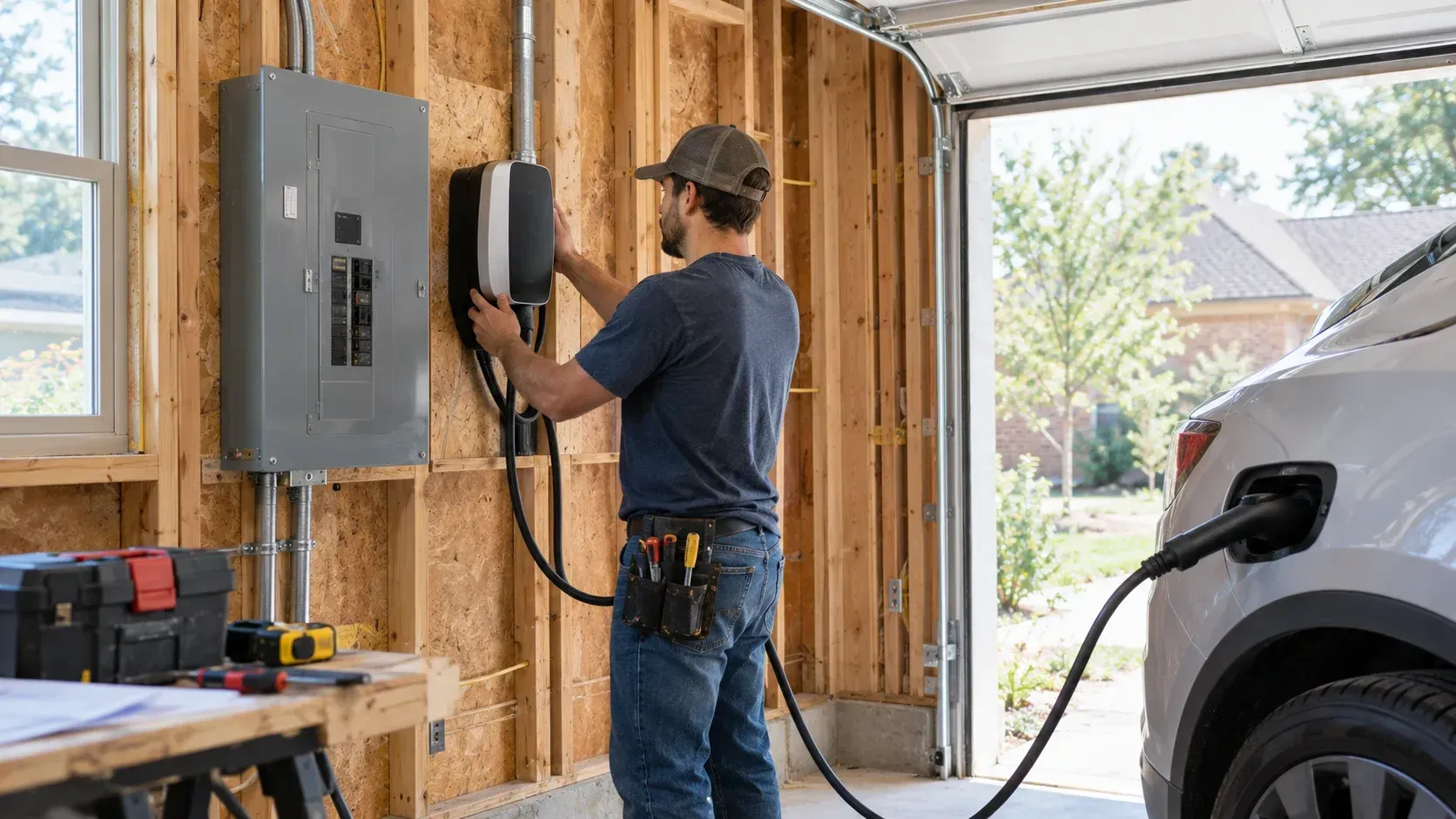
Kitchens and bathrooms have specific electrical safety needs because they mix water and power. Adding circuits, moving outlets, installing new lighting, or upgrading wiring commonly requires an electrical permit.
Modern codes also address items like ground-fault protection near water. An inspection helps confirm these safety measures are in place.
Mechanical Permits
Mechanical permits cover systems like ventilation and, in some cases, HVAC changes. A bathroom exhaust fan or changes to ductwork can fall into this category.
Proper ventilation matters in bathrooms in particular, since moisture buildup can lead to mold and long-term damage.
Building or Structural Permits
If your remodel removes or alters a wall, changes the footprint, or affects anything load-bearing, a building or structural permit is typically required. This is common when homeowners open up a kitchen into an adjacent room.
Structural work carries higher stakes, so these projects usually receive close attention during inspection.
Work That Usually Does Not Need a Permit
Not every project requires a trip to the permit office. Many cosmetic updates fall outside permit requirements because they do not affect safety systems or structure.
Examples that often do not need a permit include:
- Painting walls or cabinets
- Replacing cabinet doors or hardware
- Installing new countertops without plumbing changes
- Swapping a faucet or fixture in the same location
- Replacing flooring over an existing subfloor
Even here, exceptions exist. If a "simple" countertop swap ends up requiring a new sink cutout and plumbing adjustment, the plumbing portion may still need review. When a small job grows in scope, the permit picture can change with it.
How to Confirm What Your Project Requires
Direct Answer: Contact the building or development services office for the jurisdiction that covers your address, and describe the specific work you plan to do.
This is the single most reliable step, because only the local authority can tell you what applies to your exact project and location. Fees, forms, and thresholds are set locally and can change over time.
When you call or visit, be ready to explain the scope in plain terms. For example, "I want to move my kitchen sink to a new wall and add two outlets." The clearer your description, the more accurate the guidance.
If you are working with a contractor, they often handle this step for you as part of planning the job.
Who Pulls the Permit: You or Your Contractor?
Either can, but the answer has practical consequences. A licensed contractor can usually pull the required permits and schedule the inspections as part of managing the project.
When a contractor pulls the permit, they generally take on responsibility for the work meeting code. When a homeowner pulls it themselves, that responsibility often shifts to the homeowner.
This is one reason many people prefer a full-service general contractor who coordinates permits, inspections, and trades in one process. It reduces the number of moving parts you have to track yourself.
What Happens If You Skip the Permit
Skipping a required permit can seem like a way to save time or money, but it carries real risks. Understanding them helps you make an informed choice.
Failed or Missing Inspections
Without a permit, the work is never inspected. That means no independent check that the plumbing, wiring, or structure is safe and up to code.
Problems When Selling
Unpermitted work can surface during a home sale. Buyers, inspectors, or lenders may flag it, which can delay closing or reduce what a buyer is willing to pay.
Insurance Complications
If unpermitted work contributes to a problem later, such as water damage or an electrical fire, it can complicate an insurance claim. Policies and outcomes vary, so this is worth taking seriously.
Correction Costs
If a jurisdiction discovers unpermitted work, you may be required to obtain a permit after the fact, open up finished walls for inspection, or redo work that does not meet code. These fixes often cost more than doing it correctly the first time.
Conclusion
Whether a kitchen or bathroom remodel in Smith County needs a permit comes down to the scope of the work and the location of your home. Projects that change plumbing, electrical, mechanical, or structural elements typically require one, while cosmetic updates often do not.
Because rules differ between the City of Tyler and unincorporated Smith County, and because they can change over time, the most reliable step is to confirm requirements with the correct local office before you begin. Permits exist to keep the work safe and documented, which protects both your household today and any future owner. Taking the time to get this right helps your project move forward smoothly and holds up well down the road.
Have Questions About Kitchen and Bathroom Remodel Permits in Tyler, Texas?
If you are planning a kitchen or bathroom remodel and want help understanding which permits your project may involve, a conversation can bring clarity. We are glad to talk through your goals, explain how the permitting and inspection process generally works in the Tyler area, and help you think through your options. Feel free to contact us whenever you are ready to discuss your project, with no pressure and no obligation.