How Much Does a Home Remodel Cost in Texas?
You Have a Specific Vision but Lack the Skills or Time to Execute It
Conclusion
Your home is one of your most significant investments, and recognizing when it needs professional attention is the first step toward protecting and growing that investment. Whether you are dealing with visible wear, a layout that no longer fits your life, efficiency problems, or a desire to increase your home’s value before selling, working with experienced remodeling contractors in Tyler, Texas puts you in the best possible position.
The post Signs It’s Time to Hire a Home Remodeling Contractor in Tyler, TX first appeared on Canfield Construction Mangement.

Table of Contents
- Introduction
- What Affects the Cost of a Home Remodel in Texas
- How Much Does a Bathroom Remodel Cost
- How Much Does It Cost to Build a House in Texas
- The Role of Site Conditions and Storm Water Management
- Why Remodel Costs Vary So Much From One Home to Another
- How Homeowners Can Plan for Remodeling Costs
- Conclusion
- Frequently Asked Questions
Key Takeaways
- Home remodel costs in Texas vary widely based on project size, materials, labor, and the condition of the existing structure.
- Bathroom remodels tend to cost less than kitchen remodels but can still range significantly depending on plumbing and layout changes.
- Building a new house in Texas involves additional costs beyond construction, including site work, permits, and drainage requirements.
- Storm water management and soil conditions can affect both remodeling and new construction budgets, especially in flood-prone or clay-heavy areas.
- Getting a written estimate based on your specific property is the only reliable way to understand actual project costs.
Introduction
A home remodel in Texas can cost anywhere from a few thousand dollars for a small update to well over six figures for a full home renovation, depending on the scope of work, materials chosen, and the condition of the existing home. There is no single number that applies to every project, which is why so many Texas homeowners struggle to budget accurately before they even start planning.
This matters because remodeling is often one of the largest financial decisions a homeowner will make outside of buying the property itself. Understanding what drives cost, from labor and materials to site conditions like drainage, helps homeowners set realistic expectations and avoid surprises once a project is underway.
This guide walks through the main factors that influence remodeling and new construction costs across Texas, without making promises about exact pricing, since every home and every project is different.
What Affects the Cost of a Home Remodel in Texas
Several variables determine what a homeowner ultimately pays for a remodel. None of these factors work in isolation, they tend to compound on one another.
Project scope. A single-room update costs less than a multi-room renovation. Structural changes, such as removing walls or reconfiguring layouts, add complexity and cost.
Materials and finishes. Mid-range materials cost less than custom or high-end finishes. Flooring, cabinetry, countertops, and fixtures can vary in price by a wide margin depending on brand and quality.
Labor availability. Labor costs fluctuate by region within Texas. Urban areas may see different labor rates than smaller communities, partly due to demand and contractor availability.
Age and condition of the home. Older homes sometimes require updates to plumbing, electrical systems, or structural elements before cosmetic work can even begin. These hidden costs are common in homes built several decades ago.
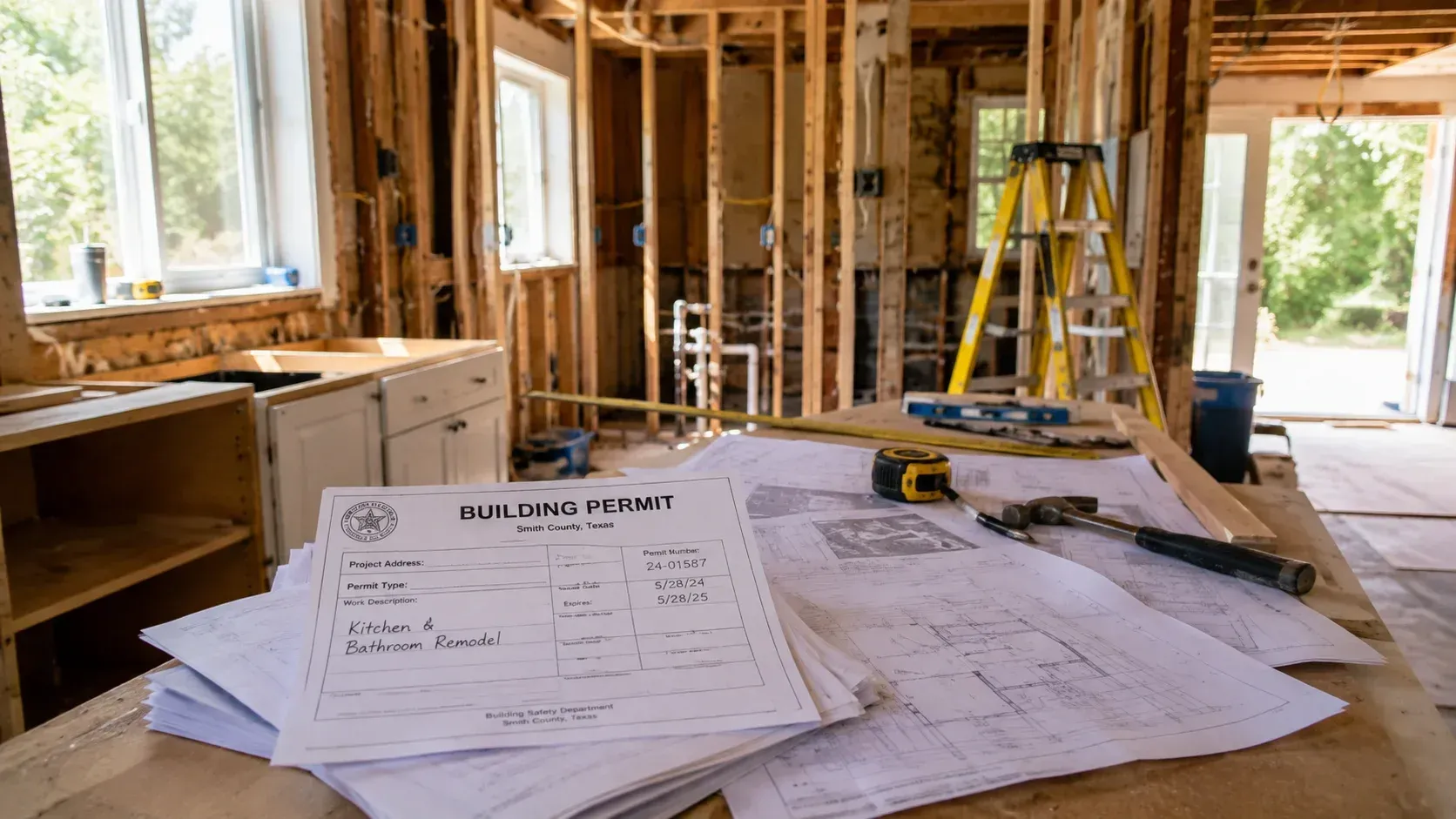
Permitting requirements. Most remodeling projects in Texas require permits from the local municipality or county. Permit fees and inspection timelines vary by jurisdiction and can affect both cost and schedule.
For homeowners exploring a renovation, reviewing home remodeling services available in their area can offer a clearer picture of what a project typically involves before requesting a quote.
How Much Does a Bathroom Remodel Cost
Bathroom remodels are among the most requested home improvement projects, partly because bathrooms are smaller spaces with a high return on visual impact.
Minor updates such as replacing a vanity, updating fixtures, or re-tiling a shower tend to cost less than a full gut renovation, since plumbing and electrical work usually stay in place.
Full remodels that involve moving plumbing lines, replacing tubs with walk-in showers, or reconfiguring the layout cost more due to the labor and permitting involved.
Material choices play a large role as well. Tile, countertop material, and fixture brand can shift the budget considerably, even within the same square footage.
Homeowners considering a bathroom remodel project should expect costs to reflect both the scope of work and the specific materials selected, rather than a flat per-square-foot rate.
How Much Does It Cost to Build a House in Texas
Building a new home involves a different cost structure than remodeling an existing one, since it starts with raw land or a cleared lot.
Site Preparation and Foundation
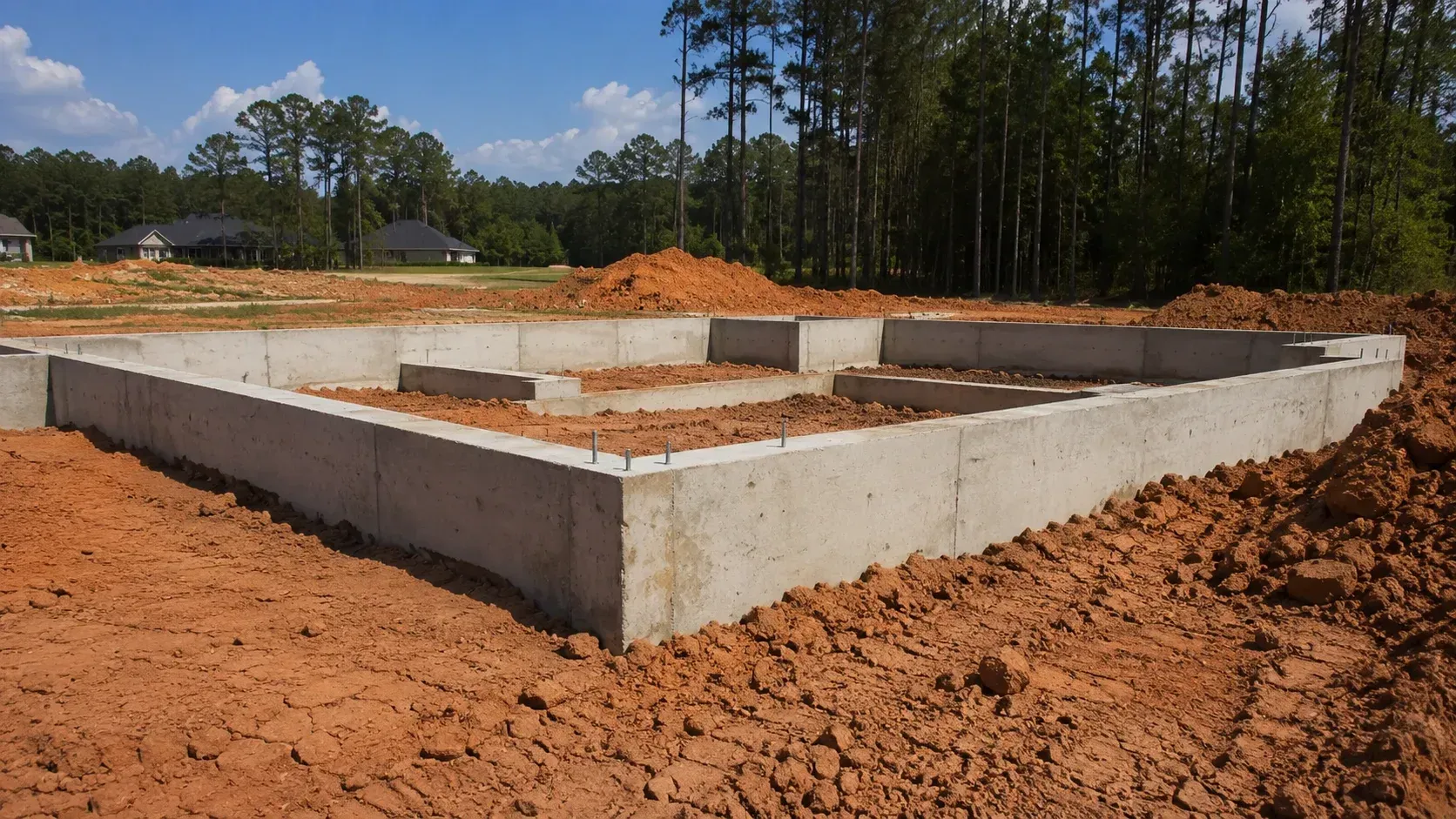
Before any framing begins, the lot must be cleared, graded, and prepared. Foundation type, whether slab, pier and beam, or another method, depends on soil conditions common to the region.
Materials and Square Footage
Larger homes generally cost more in total, though cost per square foot can actually decrease slightly as size increases, due to fixed costs like permitting and site work being spread across more square footage.
Permits and Inspections
New construction requires more extensive permitting than most remodels, including inspections at multiple stages: foundation, framing, electrical, plumbing, and final occupancy.
Custom vs. Production Builds
A custom-built home, designed around a homeowner's specific layout and finishes, typically costs more than a production-style home built from a standard floor plan, due to the additional design and planning involved.
For homeowners weighing this decision, it can help to read a
construction costs guide
that breaks down where new construction dollars typically go.

The Role of Site Conditions and Storm Water Management
Site conditions are often overlooked when homeowners first estimate remodeling or building costs, but they can meaningfully affect the final budget.
Soil type and drainage
Texas has a wide range of soil conditions, including expansive clay soils in many regions, which can affect foundation requirements and grading work.
Storm water management
Local municipalities often require storm water management plans for new construction and some larger remodeling or addition projects, particularly when the work changes how rain water flows across a property. This can include grading adjustments, drainage installation, or retention features designed to direct water away from the structure and neighboring properties.
Flood zone considerations
Homes located in or near flood-prone areas may face additional requirements related to elevation, drainage, or building materials, which can add to both planning time and cost.
These requirements are not optional in many cases, they are tied to local building codes and are intended to reduce water damage risk to the home and surrounding properties over time.
Why Remodel Costs Vary So Much From One Home to Another
It is common for two homeowners with seemingly similar projects to receive very different estimates. This usually comes down to a few underlying factors.
Unforeseen conditions
Issues like outdated wiring, hidden water damage, or foundation concerns are often only discovered once work begins, and addressing them adds cost that was not part of the original estimate.
Regional pricing differences
Material and labor costs are not uniform across Texas. A project in one part of the state may be priced differently than the same project elsewhere due to local market conditions.
Design complexity
Custom layouts, structural changes, and specialty finishes all require more planning and skilled labor than standard, straightforward updates.
This is part of why generic cost averages found online should be treated as a starting reference point, not a firm number for a specific home.
How Homeowners Can Plan for Remodeling Costs
Although exact costs depend on the property, there are practical steps homeowners can take to plan more accurately.
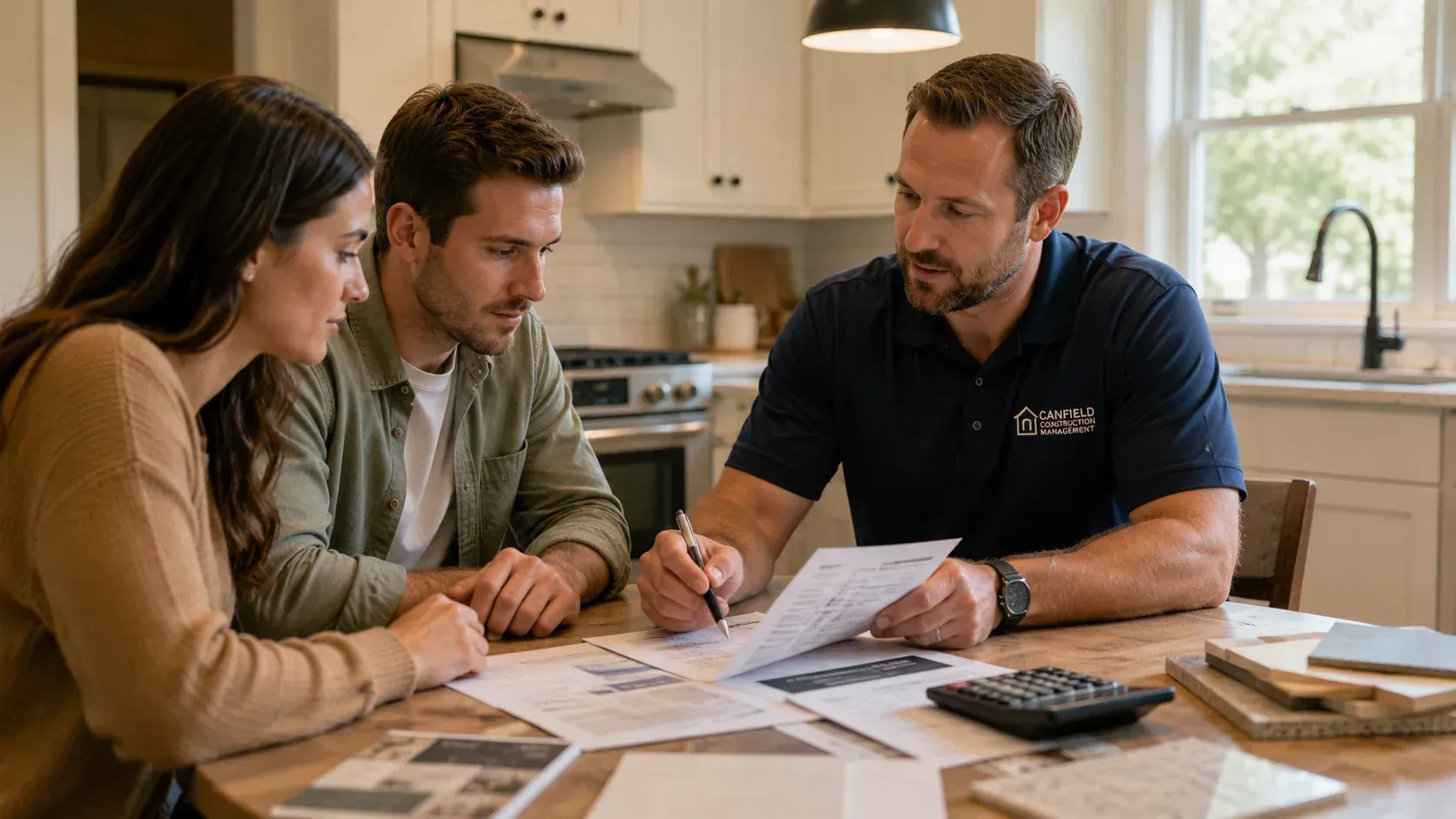
- Request a written estimate based on an in-person assessment of the home, rather than relying solely on general online estimates.
- Ask what is included in the estimate, such as permits, disposal, and site work, since these are sometimes priced separately.
- Set aside a contingency budget, since older homes in particular can reveal unexpected issues once work begins.
- Review timelines alongside cost, since delays related to permitting or material availability can affect overall project expenses.
Homeowners can also benefit from reviewing general budget planning tips before finalizing a project scope, since early planning tends to reduce the likelihood of mid-project surprises.
Conclusion
There is no single answer to how much a home remodel costs in Texas, since pricing depends on project scope, materials, labor, site conditions, and local permitting requirements. Bathroom remodels, full home renovations, and new home construction each carry their own cost structures, shaped by factors that are often specific to the individual property.
Site conditions, including soil type and storm water management requirements, can also influence both remodeling and new construction budgets, particularly in areas where drainage and flood considerations are part of local building codes. Understanding these variables in advance allows homeowners to approach a project with realistic expectations rather than relying on general estimates that may not reflect their specific situation.
Informed decision-making starts with asking the right questions and reviewing detailed, property-specific information before committing to a project scope or budget.
Summary
This guide is intended to help Texas homeowners understand the general factors that influence remodeling and construction costs, not to provide a specific price quote. Every property is different, and the only way to get an accurate picture of project costs is through a direct, in-person assessment.
Homeowners who want to better understand what a project might involve for their specific home are welcome to book a no-pressure discovery call. This conversation is informational, focused on answering questions and providing clarity, with no obligation and no guaranteed pricing offered in advance.
Frequently Asked Questions
Is it cheaper to remodel or build new in Texas?
It depends on the condition of the existing home and the scope of work needed. Minor remodels are often less expensive than new construction, but extensive renovations involving structural or system updates can sometimes approach the cost of building new, depending on the property.
What is the average cost per square foot for a remodel in Texas?
There is no single average that applies statewide, since cost per square foot depends on materials, labor rates, and the type of work involved. A general online figure should be treated as a rough reference, not a firm estimate.
Do I need a permit for a bathroom remodel in Texas?
In most cases, yes, particularly if the project involves plumbing, electrical, or structural changes. Permit requirements vary by city and county, so it is best to confirm with the local building department.
How does soil type affect new home construction costs in Texas?
Soil conditions, including expansive clay soils found in parts of Texas, can affect foundation design and site preparation requirements, which can influence overall construction costs.
What is storm water management and why does it matter for construction projects?
Storm water management refers to how a property handles rain water runoff, including grading and drainage. Many municipalities require a storm water management plan for new construction or larger additions to reduce flooding risk on the property and surrounding land.
Can hidden issues increase remodeling costs after work has started?
Yes. Issues such as outdated wiring, water damage, or foundation problems are sometimes discovered only after demolition begins, which can add cost beyond the original estimate.
How can I get an accurate cost estimate for my remodel?
The most reliable way is to request an in-person assessment of the property, since online calculators and general averages cannot account for the specific condition and requirements of an individual home.
Recent Posts