How Much Does a Deck Cost to Build?
You Have a Specific Vision but Lack the Skills or Time to Execute It
Conclusion
Your home is one of your most significant investments, and recognizing when it needs professional attention is the first step toward protecting and growing that investment. Whether you are dealing with visible wear, a layout that no longer fits your life, efficiency problems, or a desire to increase your home’s value before selling, working with experienced remodeling contractors in Tyler, Texas puts you in the best possible position.
The post Signs It’s Time to Hire a Home Remodeling Contractor in Tyler, TX first appeared on Canfield Construction Mangement.

Table of Contents
- Introduction
- What Determines the Cost of a Deck
- Wood vs Composite Decking Costs
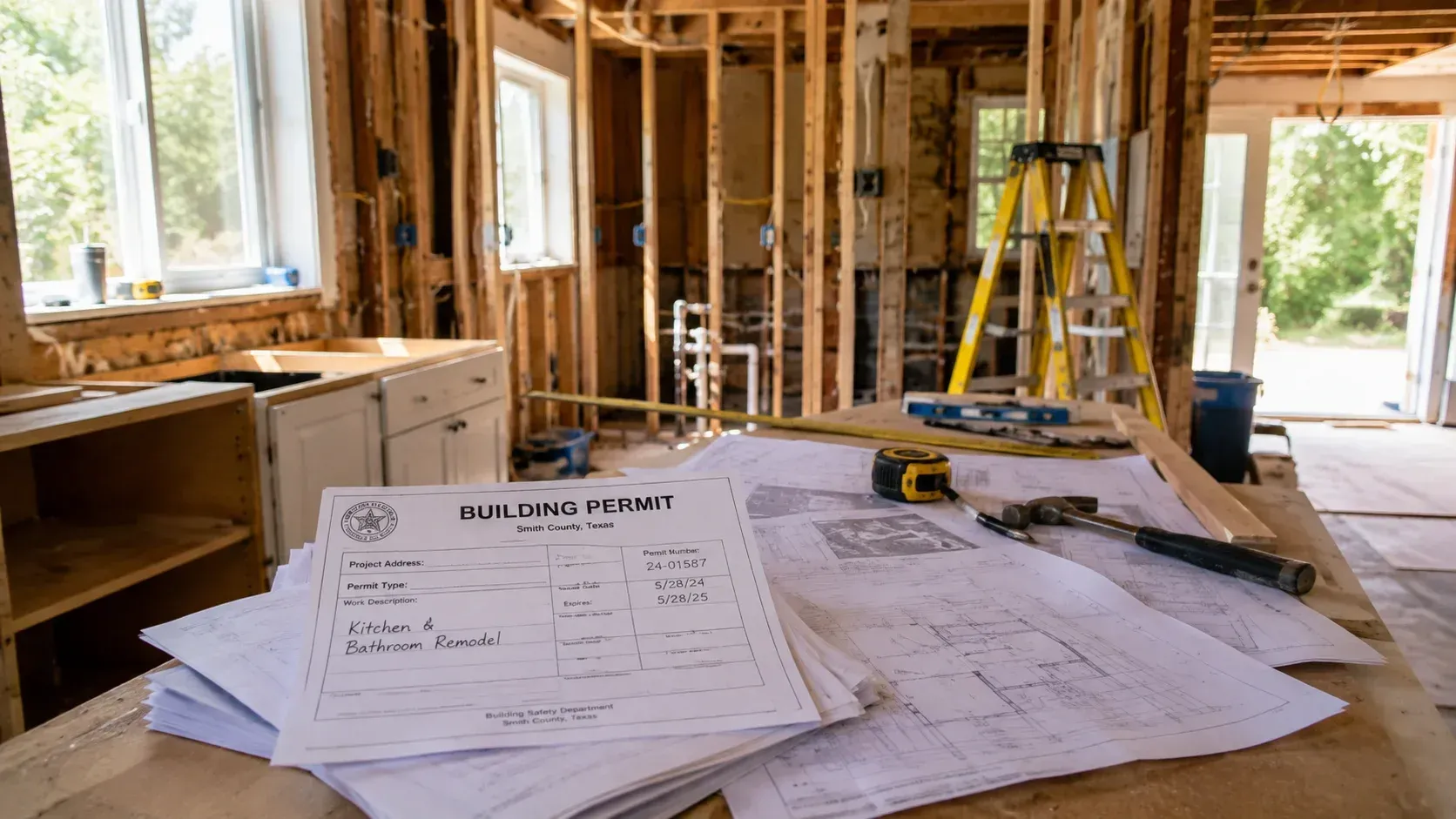
- Permits and Local Requirements in Texas
- Site Conditions That Affect Deck Pricing
- Common Add-Ons and Their Cost Impact
- How to Plan a Realistic Deck Budget
- Conclusion
- Frequently Asked Questions
Key Takeaways
- Deck costs in Texas vary based on size, material type, height, and design complexity, with no single flat rate that applies to every project.
- Wood decks generally cost less upfront than composite decks, but each comes with different long-term maintenance needs.
- Permits are often required for deck construction in Texas, and requirements differ by city and county.
- Site conditions, including soil type, slope, and drainage, can affect both the design and the final cost of a deck.
- A written, in-person estimate is the most reliable way to understand actual pricing for a specific property.
Introduction
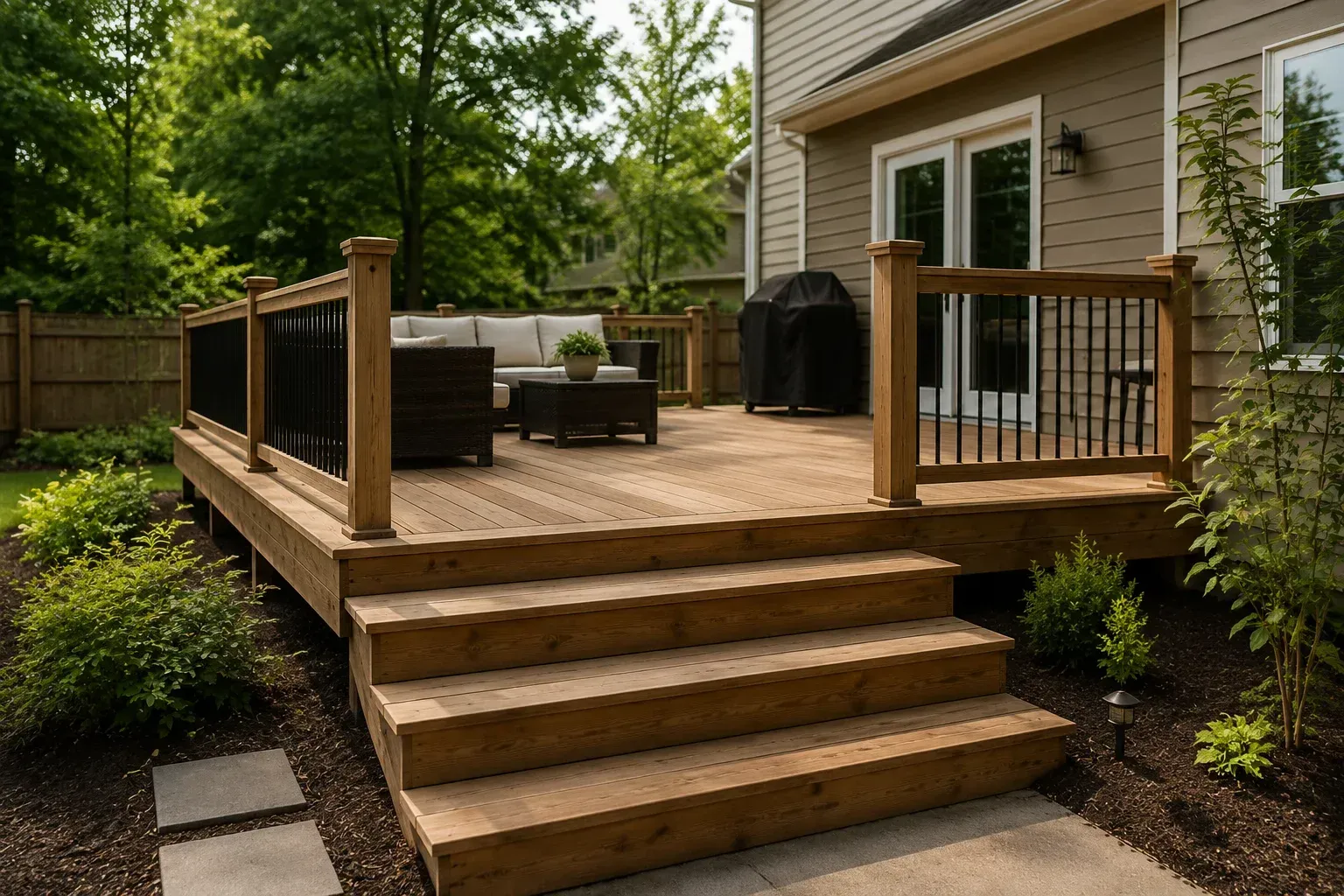
The cost of building a deck depends on several factors, including size, material, height, and the complexity of the design, which means there is no single price that fits every project. A small, simple wood deck will cost less than a large, multi-level composite deck with built-in features, so homeowners need to understand what drives the price before they start planning.
This matters to Texas homeowners because decks are a common addition to homes across the state, used for everything from quiet morning coffee to hosting larger gatherings. Understanding the cost factors ahead of time helps avoid budget surprises and supports better decisions about materials and design.
This guide walks through the main variables that influence deck construction costs in Texas, along with permitting, site conditions, and planning considerations that often get overlooked.
What Determines the Cost of a Deck
Several core factors shape the total cost of a deck project. Understanding each one helps homeowners set realistic expectations.
Size and square footage
Larger decks require more material and labor, which increases cost. However, cost per square foot can sometimes decrease slightly on larger projects since certain fixed costs, like permits, stay the same regardless of size.
Material selection
Wood, composite, and vinyl decking all come with different price points, installation requirements, and lifespans. Material choice is often the single biggest factor in total project cost.
Height and structure
A ground-level deck typically costs less than an elevated deck, since elevated structures require additional support, railing, and sometimes stairs.
Design complexity
Multiple levels, curved edges, built-in seating, or custom railing all add labor time and material cost compared to a simple rectangular design.
Labor rates
Labor costs vary across Texas depending on region and contractor availability, which can shift pricing even for similar projects.
Homeowners exploring this type of project can review available
deck building services
to better understand what a typical project includes before requesting a quote.
Wood vs Composite Decking Costs
One of the first decisions homeowners face is choosing between wood and composite decking, since this choice affects both upfront cost and long-term maintenance.
Wood Decking
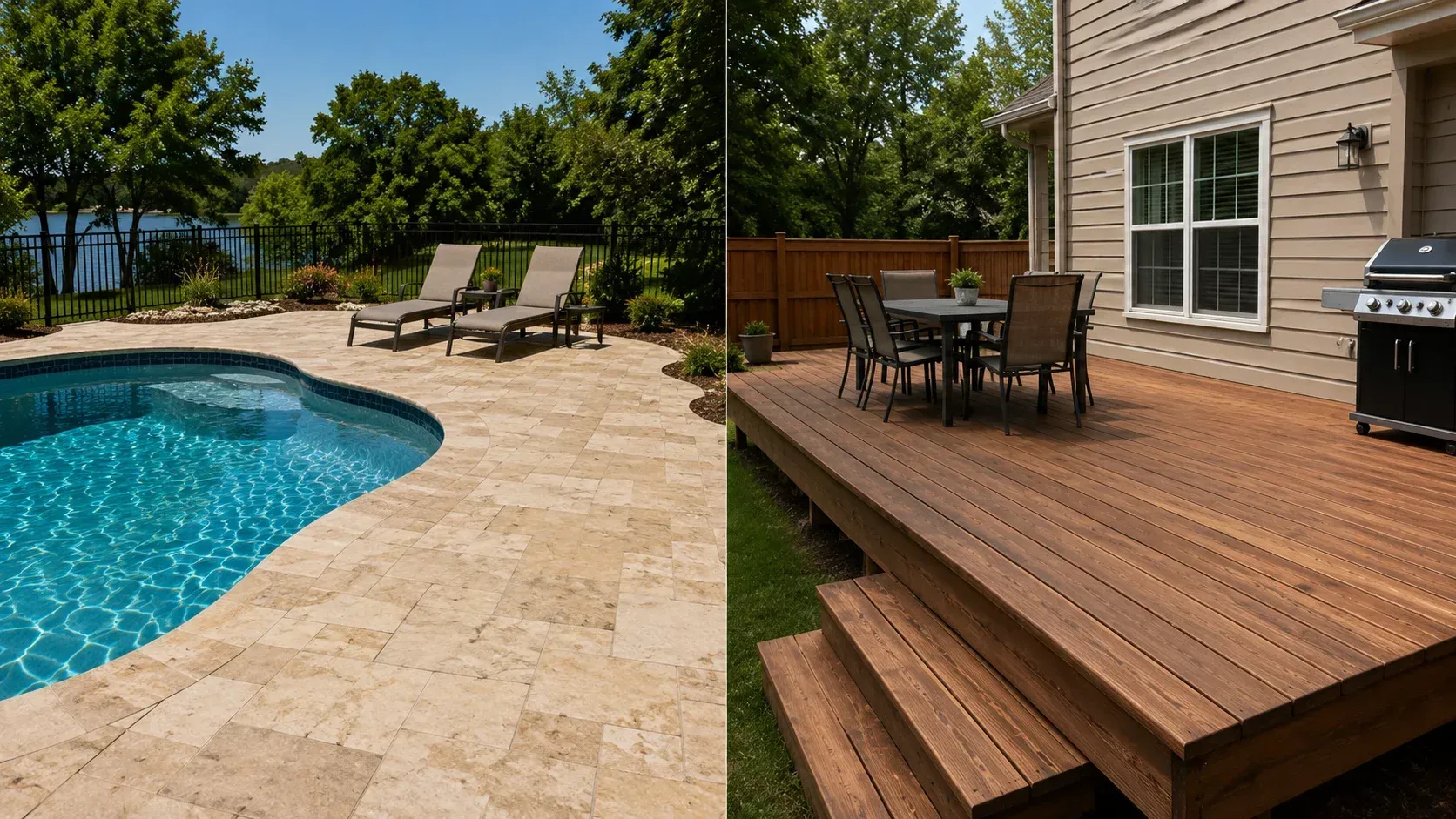
Wood decking, including pressure-treated lumber and cedar, typically has a lower upfront material cost than composite. However, wood requires regular maintenance, including staining or sealing, to prevent warping, splintering, and weather damage over time.
Composite Decking
Composite decking generally costs more upfront than wood but requires less ongoing maintenance, since it does not need staining or sealing. Composite materials are designed to resist fading, moisture, and insect damage better than most wood options.
Choosing Between the Two
The right choice often comes down to budget priorities, whether a homeowner prefers a lower initial cost with more upkeep, or a higher initial cost with reduced long-term maintenance. For a deeper comparison, this breakdown of
wood vs composite decking
outlines the differences in more detail.
Permit requirements vary by city and county
Some municipalities have specific rules about setbacks, railing height, and structural requirements that must be met before a permit is approved.
Inspections are often required
Depending on the jurisdiction, inspections may occur at the footing stage, framing stage, or upon project completion.
Permit costs add to the overall budget
Fees vary by location and project scope, and they should be factored into the total cost estimate rather than treated as a separate, minor expense.
Skipping required permits can lead to complications later, including issues during a home sale or when filing an insurance claim related to the structure.

Site Conditions That Affect Deck Pricing
The condition of the property itself plays a meaningful role in determining deck cost, often more than homeowners initially expect.
Soil type
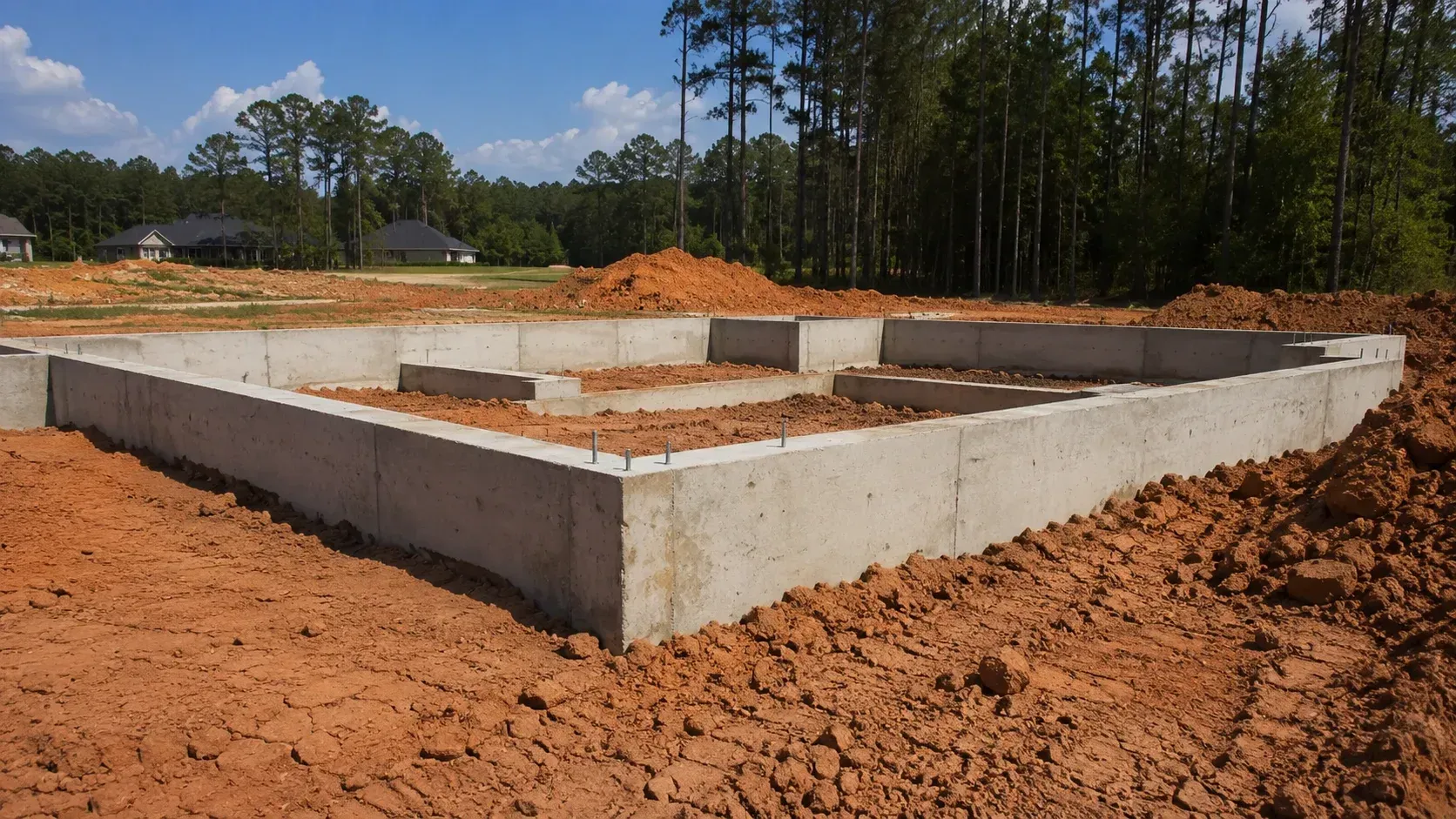
Texas has a range of soil conditions, including expansive clay soils in some regions, which can affect how footings are designed and installed.
Slope and grading
A sloped yard may require additional structural support or grading work compared to a flat site, which adds to labor and material costs.
Drainage
Proper drainage planning helps prevent water pooling under or around the deck structure, which can affect both the deck's lifespan and nearby landscaping.
eExisting structures
If a deck is being added near an existing structure, such as a patio or pool, additional design coordination may be needed, which can affect the timeline and cost.
These site-specific factors are part of why decks of similar size and material can still have different price points from one property to the next.
Common Add-Ons and Their Cost Impact
Beyond the base structure, many homeowners choose additional features that affect the final cost.
- Built-in seating or planters add material and labor time beyond a standard deck surface.
- Railing upgrades, such as cable or glass railing, typically cost more than standard wood or metal railing.
- Lighting installation adds electrical work, which requires additional planning and, in many cases, a separate permit.
- Stairs and multiple access points increase both material use and construction time.
- Roof or pergola additions add a layer of complexity, since they involve additional structural support.
Each of these elements can be added selectively based on budget, rather than as an all-or-nothing decision. A well-planned deck addition can also contribute to overall property value, as discussed in this article on how adding a deck or similar outdoor structure affects a home's value over time.
How to Plan a Realistic Deck Budget
While exact costs depend on the property and design, there are practical steps homeowners can take to plan more accurately.
- Request a written estimate based on an in-person site visit, rather than relying solely on general online pricing tools.
- Ask whether the estimate includes permits, inspections, and disposal of old materials, since these are sometimes priced separately.
- Set aside a contingency amount for unexpected site conditions, such as soil issues or drainage adjustments.
- Compare material options side by side, factoring in both upfront cost and expected maintenance over time.
- Confirm the project timeline, since permitting delays can affect the overall schedule and, in some cases, costs tied to material price changes.
Homeowners considering broader home remodeling services alongside a deck project may also want to review how outdoor additions fit into a larger home improvement plan.
Conclusion
The cost of building a deck depends on a combination of size, material, height, design complexity, and site-specific conditions, which means pricing varies from one property to another. Wood and composite decking each come with different cost and maintenance trade-offs, and permitting requirements in Texas add another layer of planning that affects both timeline and budget.
Site conditions, including soil type, slope, and drainage, can also influence the final cost, particularly in regions with more challenging soil or grading requirements. Add-on features like railing upgrades, lighting, or built-in seating allow for flexibility within a budget, but each one adds to the total project cost.
Informed decision-making starts with understanding these variables before committing to a design or budget, rather than relying on general estimates that may not reflect the specifics of an individual property.
Summary
This guide is intended to help Texas homeowners understand the general factors that influence deck construction costs, not to provide a specific price quote. Every property and design is different, and the only way to get an accurate cost picture is through a direct, in-person assessment.
Homeowners who want to better understand what a deck project might involve for their specific property are welcome to book a no-pressure discovery call. This conversation is informational, focused on answering questions and providing clarity, with no obligation and no guaranteed pricing offered in advance.
Frequently Asked Questions
Is composite decking worth the extra upfront cost?
It depends on individual priorities. Composite decking typically costs more initially but requires less ongoing maintenance than wood, so the long-term value depends on how much upkeep a homeowner is willing to manage.
Do I need a permit to build a deck in Texas?
In most cases, yes, particularly for decks attached to the home or built above a certain height. Permit requirements vary by city and county, so it is best to confirm with the local building department.
How does soil type affect deck construction costs in Texas?
Soil conditions, including expansive clay soils found in parts of Texas, can affect how footings are designed, which can influence both the construction method and overall cost.
Can I build a deck on a sloped yard?
Yes, though sloped sites often require additional structural support or grading work, which can increase both labor and material costs compared to a flat site.
What is the difference between a ground-level deck and an elevated deck in terms of cost
Elevated decks generally cost more than ground-level decks because they require additional support structures, railing, and often stairs for safe access.
Do deck add-ons like lighting or railing upgrades require separate permits?
In some cases, yes. Electrical work for lighting, for example, often requires its own permit and inspection, separate from the main deck structure permit.
How can I get an accurate cost estimate for my deck project?
The most reliable way is to request an in-person site assessment, since general online estimates cannot account for the specific soil conditions, design, and requirements of an individual property.
Recent Posts