Table of Contents
- Introduction
- Why Financing a Remodel Matters
- Home Equity Loans
- Home Equity Lines of Credit (HELOCs)
- Personal Loans
- Contractor Financing
- Paying With Cash Savings
- Budgeting Before You Borrow
- Factors to Weigh Before You Start
Key Takeaways
- Texas homeowners can fund a remodel through home equity loans, HELOCs, personal loans, contractor financing, or cash savings.
- Each option has different interest rates, repayment terms, and risks worth reviewing before you commit.
- Home equity products often carry lower rates, but they use your home as collateral.
- Personal loans and contractor financing can be faster to access but may cost more over time.
- Setting a realistic budget first helps you choose the funding method that fits your situation.
Introduction
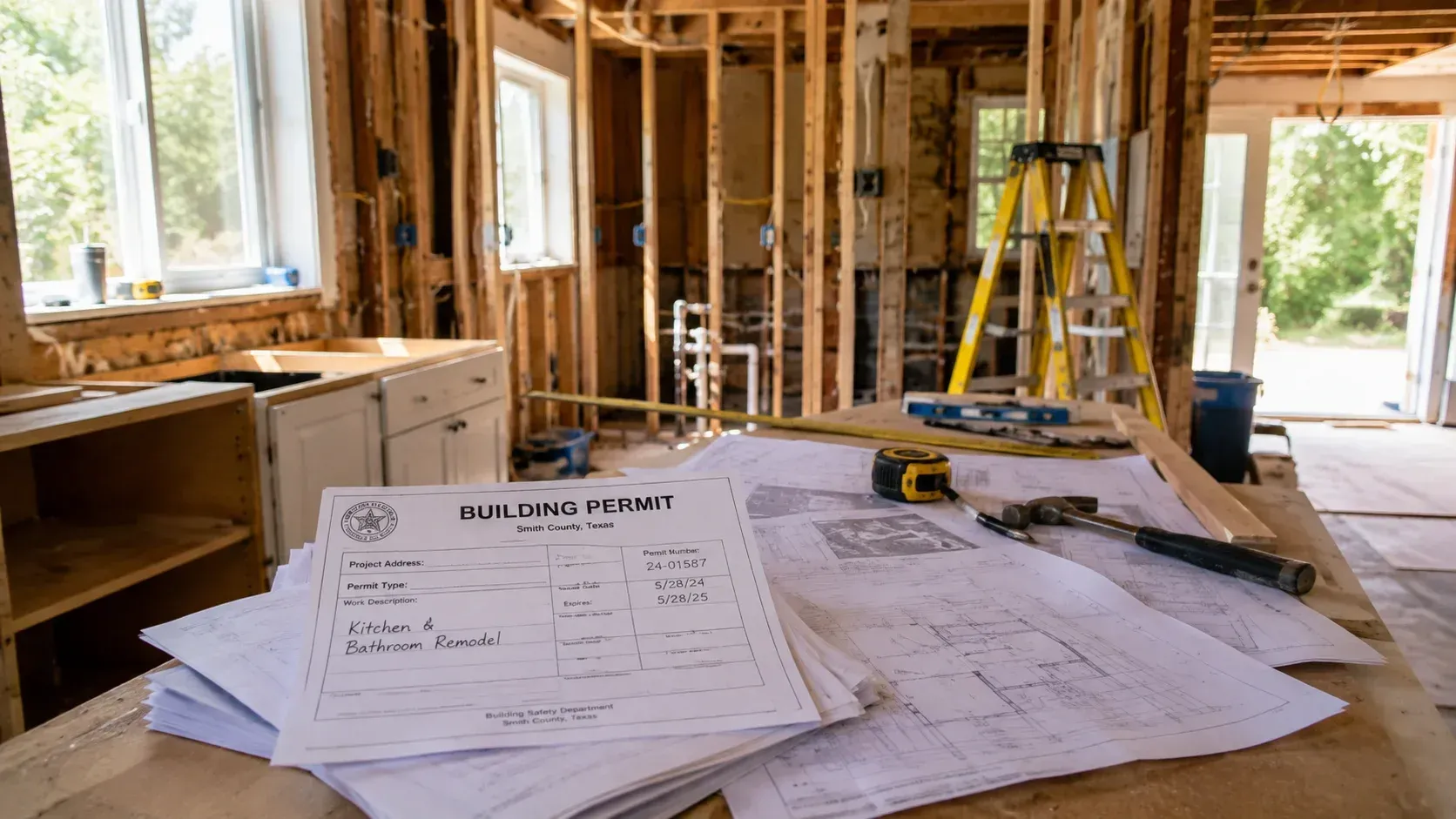
You can finance a kitchen or bathroom remodel in Texas through several options, including home equity loans, home equity lines of credit, personal loans, contractor financing, or paying with cash. The right choice depends on your budget, how much equity you have in your home, and how quickly you want to move forward on your
kitchen and bathroom project.
This topic matters because remodeling costs can add up fast. Many homeowners underestimate the total price and end up scrambling for funds partway through the work. Knowing your options ahead of time helps you plan better and avoid surprises. It also lets you compare the true cost of borrowing, so you can pick a method that fits your finances rather than one that strains them.
Why Financing a Remodel Matters
A kitchen or bathroom project is often one of the larger home investments a family makes. Prices vary widely based on materials, layout changes, and the size of the space.
Because of this range, few people pay for the entire job out of pocket. Financing spreads the cost over time and can make a project feasible without draining your savings.
Understanding how each funding method works also protects you. Some carry higher interest, some put your home at risk, and some come with fees that are easy to overlook.
Home Equity Loans
A home equity loan lets you borrow against the value you have built up in your home. You receive the money as a single lump sum and repay it in fixed monthly payments.
A home equity loan for a kitchen remodel often appeals to people who want predictable payments. The interest rate is usually fixed, so your monthly amount stays the same for the life of the loan.
The main trade-off is that your home serves as collateral. If you cannot keep up with payments, you risk losing the property. Texas also has specific rules on home equity lending, so it helps to confirm the current limits with your lender.
Home Equity Lines of Credit (HELOCs)
A HELOC works more like a credit card tied to your home equity. Instead of a lump sum, you get access to a credit line you can draw from as needed.
This flexibility suits projects where costs come in stages. You only pay interest on the amount you actually use, which can help if your remodel has an uncertain timeline.
Keep in mind that most HELOCs have variable interest rates. Your payments can rise if rates go up, which makes budgeting harder over the long run. Like a home equity loan, a HELOC uses your home as security.
Personal Loans
A personal loan is an unsecured option, meaning it does not require you to put up your home. Banks, credit unions, and online lenders all offer them.
Because there is no collateral, approval often depends heavily on your credit score and income. Rates tend to be higher than home equity products, but the application process is usually quicker.
Personal loans can work well for smaller projects or for homeowners who do not have much equity yet. Just review the repayment term closely, since a shorter term means higher monthly payments.
Contractor Financing
Some construction companies offer financing directly or partner with lenders to provide it. This can be a convenient way to handle a project without visiting a separate bank.
Contractor financing may include promotional periods, such as deferred interest for a set number of months. These offers can be helpful, but only if you understand the terms fully.
Read the fine print before signing. If a deferred-interest period ends before you pay off the balance, you could owe interest that built up during that time. Always ask what happens after the promotional window closes.
Paying With Cash Savings
Paying with cash is the simplest route because it involves no borrowing, no interest, and no monthly payments. You own the improvement outright the moment the work is done.
The downside is that a large remodel can wipe out savings you may need for emergencies. Draining your reserves can leave you exposed if an unexpected expense comes up.
Some homeowners choose a mix, using cash for part of the cost and financing the rest. This approach can lower the amount you borrow while keeping a healthy cushion in the bank.
Budgeting Before You Borrow
Before choosing any funding method, it helps to build a clear budget. Start by getting an estimate for the work you want done, then add a buffer for unexpected costs.
Learning
how much a home remodel costs in Texas gives you a realistic starting point. Prices shift based on labor, materials, and the scope of the project.
Good
budget planning also means setting aside extra for surprises. Older homes in particular can hide issues like outdated wiring or plumbing that show up once work begins.
Factors to Weigh Before You Start
Interest rate is only one piece of the picture. Look at the full cost of each option, including fees, closing costs, and the total you will repay over time.
Consider how long you plan to stay in the home. If you expect to move soon, a long-term loan may not make sense for your situation.
Think about your comfort with risk as well. Using your home as collateral lowers rates but raises the stakes. An unsecured loan costs more but keeps your property out of the equation.
Finally, review your monthly cash flow honestly. A payment that looks manageable on paper should still leave room for your everyday expenses. You can explore the full range of
home remodeling options once your financing plan is clear.
Conclusion
Financing a kitchen or bathroom remodel in Texas comes down to matching the funding method to your goals and finances. Home equity loans and HELOCs often offer lower rates but use your home as security. Personal loans and contractor financing move faster but can cost more over time, while paying with cash avoids interest at the expense of your savings.
The best choice is the one that fits your budget, your timeline, and your comfort with risk. Taking time to compare the real costs and terms helps you move forward with confidence and avoid financial strain down the road.
Book a Strategy or Discovery Call
If you are planning a kitchen or bathroom remodel and want to understand your options more clearly, a discovery call can help. It is a simple, no-pressure conversation focused on answering your questions and giving you the information you need to make an informed decision. Reach out whenever you are ready to talk through your project.