Table of Contents
- Introduction
- What Is a Pool Deck?
- What Is a Standard Deck?
- Design and Layout Differences
- Material Considerations
- Safety Features
- Drainage Requirements
- Maintenance Needs
- Choosing the Right Deck for Your Property
- Book a Strategy or Discovery Call
- Frequently Asked Questions
Key Takeaways
- A pool deck surrounds a swimming pool and needs slip-resistant, water-friendly materials, while a standard deck is a general outdoor living space.
- Pool decks require careful drainage and non-slip surfaces to handle constant moisture and foot traffic.
- Material choices differ, since pool decks must resist water, chemicals, and heat better than many standard deck materials.
- Maintenance needs vary, with pool decks needing regular cleaning to manage moisture and chemical exposure.
- The right choice depends on your yard, how you plan to use the space, and your long-term maintenance preferences.
Introduction
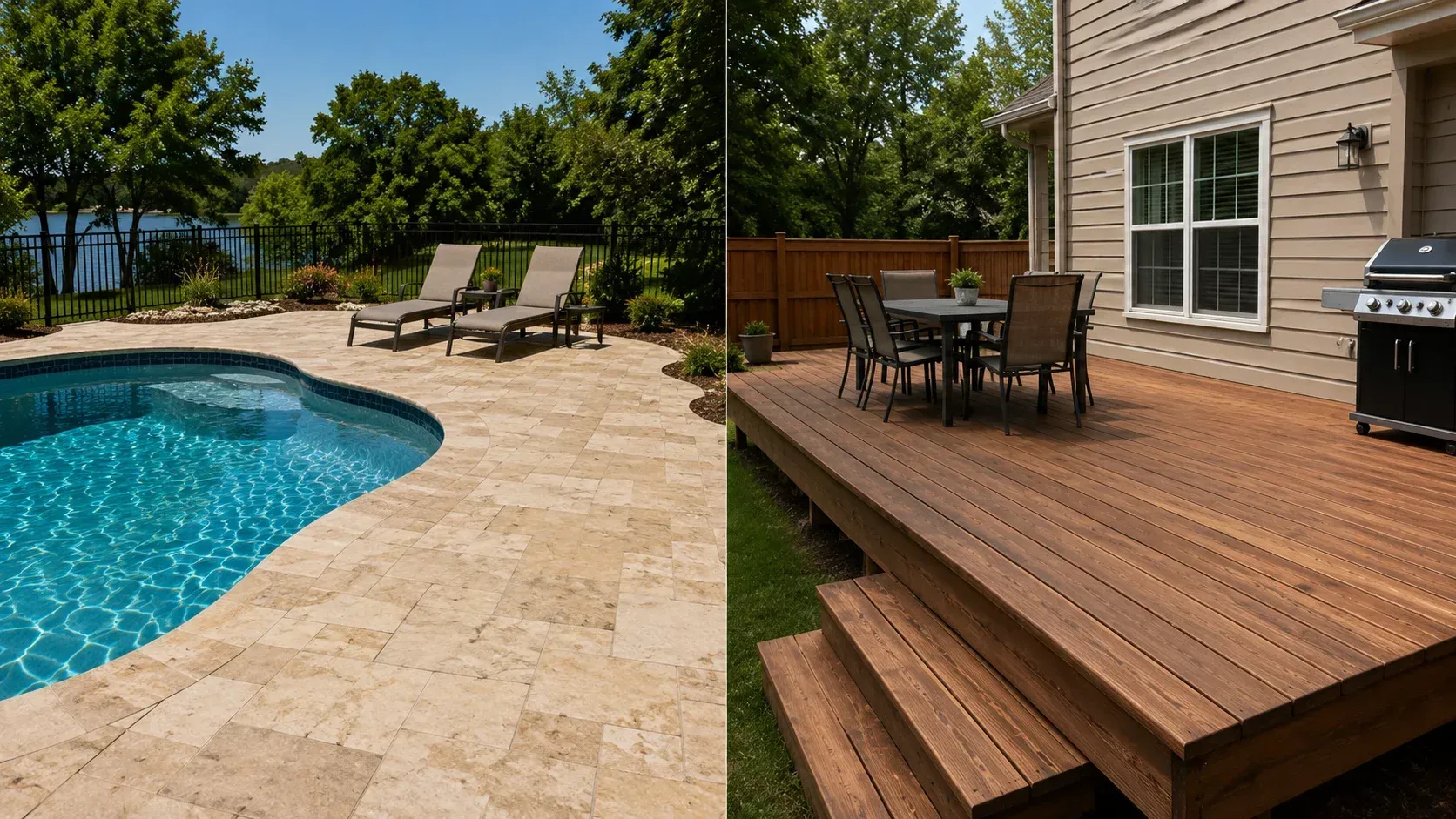
The main difference is that a pool deck is built around a swimming pool with slip-resistant, water-friendly materials, while a standard deck is a general outdoor platform for lounging, dining, or entertaining. A pool deck must handle constant moisture, splashing, and bare feet, so its design, materials, and drainage differ from a typical
deck building project.
This topic matters because choosing the wrong deck type can lead to safety issues and extra upkeep. A surface that works well for a backyard patio may become slick and unsafe near a pool. Understanding these differences helps you plan a space that fits how you actually use your yard and holds up to Texas weather.
What Is a Pool Deck?
A pool deck is the paved or built surface that surrounds a swimming pool. It gives swimmers a place to walk, sit, and relax without stepping directly onto grass or dirt.
Because it sits next to water, a pool deck faces constant exposure to moisture and splashing. It also sees a lot of barefoot traffic, which makes surface texture an important part of the design.
Pool decks often need to stay cooler underfoot too. In a Texas summer, some materials can get hot enough to be uncomfortable, so this is worth planning for early.
What Is a Standard Deck?
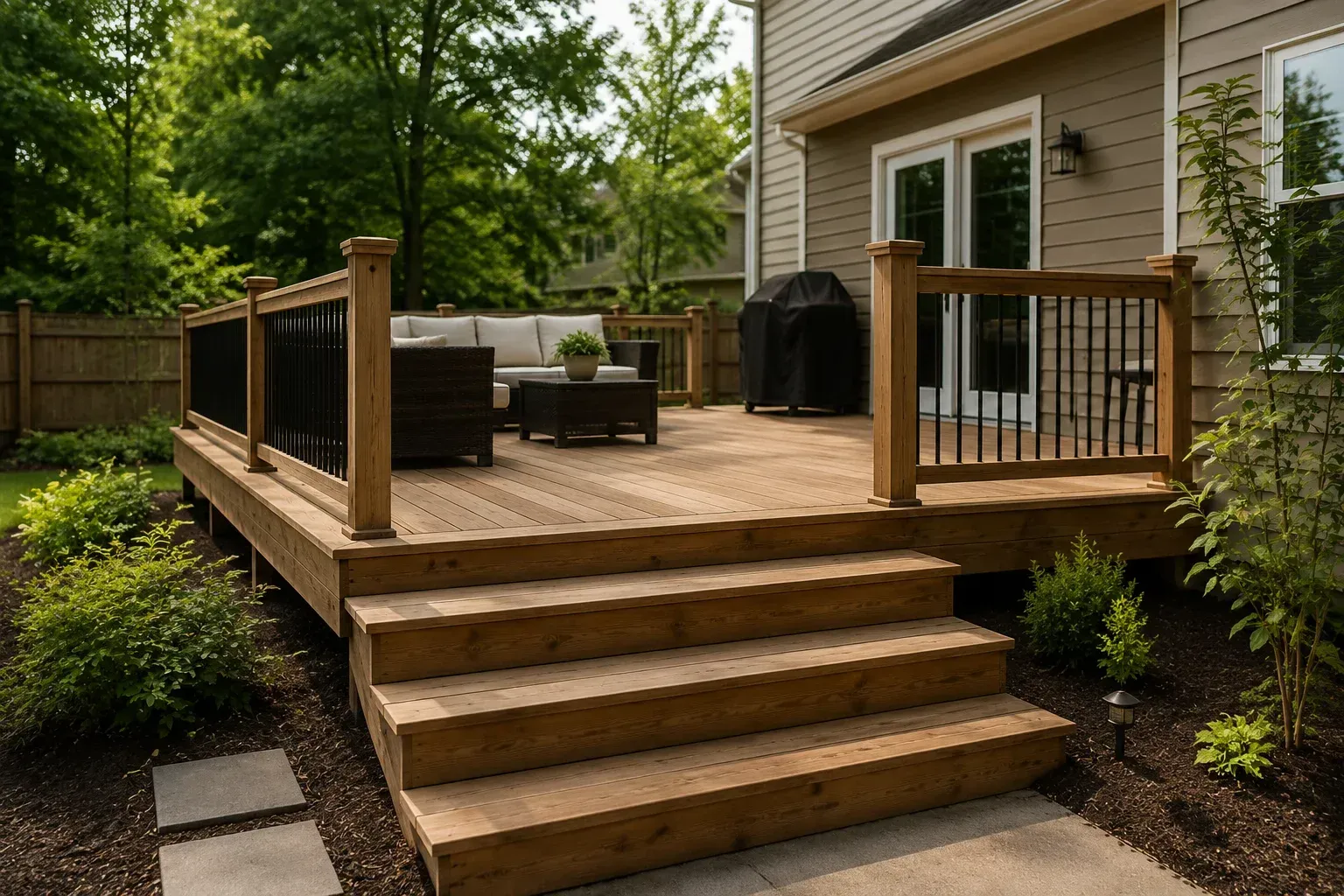
A standard deck is a raised or ground-level platform attached to or near a home. It serves as an outdoor living area for dining, grilling, or spending time with family.
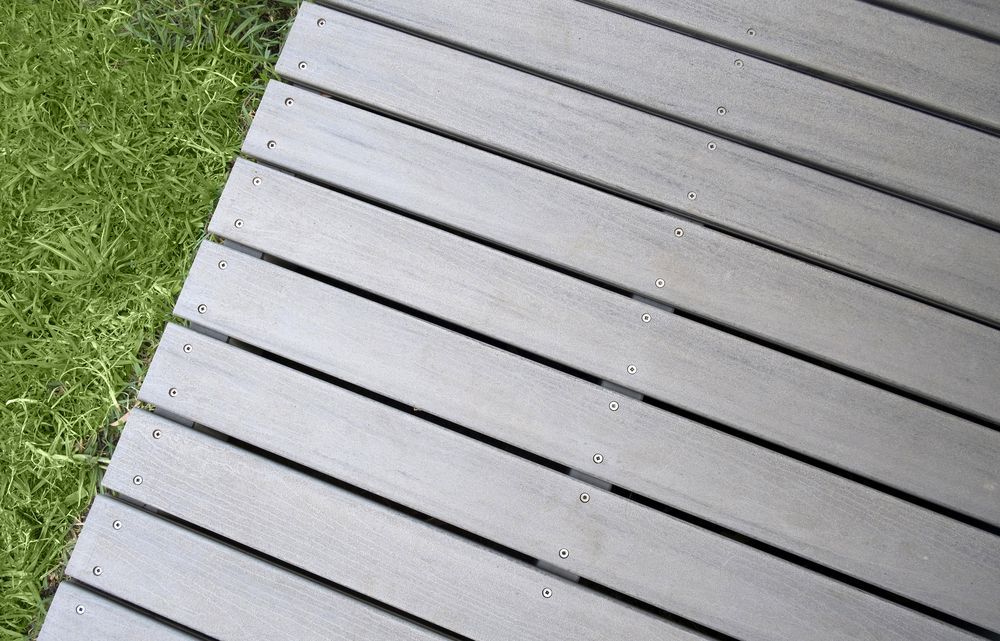
Most standard decks are built from wood or composite boards. They do not deal with the same level of moisture that a pool deck handles day to day.
This gives homeowners more flexibility with materials and layout. A standard deck focuses more on comfort, style, and function than on managing water.
Design and Layout Differences
The layout of each deck reflects its purpose. A pool deck wraps around the water and often includes space for lounge chairs, walkways, and safe entry points.
A standard deck usually connects to the back of the house. It may include railings, stairs, and space for outdoor furniture or a grill.
Pool decks also plan for the slope of the surface. The design directs water away from the pool and the home, which is less of a concern for a standard deck.
Material Considerations
Pool deck materials must handle water, pool chemicals, and heat. Common pool deck materials include concrete, pavers, natural stone, and certain composites made to resist moisture.
These surfaces are chosen for grip and durability near water. A material that gets slick when wet is a poor fit for a pool area.
Standard decks have more room for choice. Wood and composite boards are popular because they offer a range of looks and price points. If you are weighing options, it helps to compare
wood and composite decks before you decide.
Safety Features
Safety is a bigger focus around a pool. Pool decks use slip-resistant surfaces to lower the risk of falls on wet ground.
Many pool areas also include features like rounded edges, clear pathways, and fencing where required by local rules. These help keep the space safer for both children and adults.
Standard decks focus on safety too, mainly through sturdy railings and stable stairs. The concern is less about slipping and more about supporting weight and preventing falls from height.
Drainage Requirements
Drainage sets these two decks apart in a big way. A pool deck must move water away quickly to prevent pooling, which can be both a slip hazard and a source of damage.
Builders often add a slight slope and drainage channels to a pool deck. This keeps water from collecting near the pool edge or the foundation of the home.
Standard decks handle rain, but they do not deal with constant splashing. Gaps between boards usually allow enough water to pass through for a typical outdoor space.
Maintenance Needs
Pool decks need regular cleaning to manage moisture, dirt, and chemical exposure. Standing water and splashed pool chemicals can wear down surfaces over time if left unchecked.
Sealing may be part of the routine, depending on the material. This helps protect the surface and keep it safe underfoot.
Standard decks also need upkeep, such as cleaning and occasional sealing or staining for wood. The overall demands are often lighter since there is no pool water in the mix.
Choosing the Right Deck for Your Property
The right choice starts with how you plan to use the space. If you have a pool or plan to add one, a pool deck built for that purpose makes sense.
If you want a general spot to relax or entertain, a standard deck may be the better fit. Your yard size, budget, and style preferences all play a role.
It also helps to think about the Texas climate. Heat, sun, and occasional heavy rain affect both material choice and design. Reviewing your
pool deck options with an experienced contractor can help you weigh these factors clearly.
Conclusion
A pool deck and a standard deck serve different purposes, and that shapes every part of their design. Pool decks focus on water resistance, slip prevention, and drainage, while standard decks center on comfort and general outdoor living.
Material choices, safety features, and maintenance needs all follow from these goals. Understanding the differences helps you plan a space that suits your yard, your lifestyle, and the local climate. Taking time to weigh these points lets you make a choice you can feel confident about.
Book a Strategy or Discovery Call
If you are planning a new deck or pool area and want to understand which option fits your property, a discovery call can help. It is a relaxed, no-pressure conversation focused on answering your questions and giving you the details you need to make an informed decision. Reach out whenever you are ready to talk through your ideas.